Here is what most travel guides miss: what to do in George Town, Penang, properly means exploring not one heritage story but four (Chinese Peranakan, Jawi Peranakan, Indian, and British colonial), each with its own streets, architecture, food, and pace.
George Town earned its UNESCO World Heritage List inscription in 2008 alongside Melaka, with conservation guided by George Town World Heritage Incorporated, and most first-time visitors leave wishing they had planned more time because they found the famous murals and missed the living traditions behind them.
George Town’s Four Heritage Traditions at a Glance
| Heritage Tradition | Key Neighbourhood | What to See | What to Eat | Closest GTHH Property |
| Chinese Peranakan | Armenian Street, Love Lane, Cannon Square | Leong San Tong Khoo Kongsi, Clan Jetties, Penang Street Art | Penang Asam Laksa, Char Kway Teow, Cendol | Seven Terraces |
| Jawi Peranakan | Muntri Street, Campbell Street | Jawi Peranakan Mansion, Masjid Melayu | Nasi Kandar, Murtabak, Roti Canai | Jawi Peranakan Mansion, Muntri Mews, Muntri Grove |
| Indian Heritage | Little India (King Street, Queen Street) | Masjid Kapitan Keling, Sri Mahamariamman Temple | Banana leaf rice, Indian sweets | Seven Terraces, Muntri Mews, Muntri Grove |
| Colonial Quarter | Beach Street, Light Street, The Esplanade | Fort Cornwallis, St George’s Church, Penang State Museum | Kopitiam coffee, Hainanese chicken rice | Seven Terraces (closest to the waterfront) |
Planning where to base yourself? Browse boutique hotels in Penang inside the heritage core, where the architecture and the accommodation are the same story.
Key Takeaways
- Plan three to four nights minimum: two days covers the headline sights; four lets the city’s depth settle.
- Four heritage traditions, four neighbourhoods: Chinese Peranakan, Jawi Peranakan, Indian, and British colonial, each with its own streets, architecture, and food.
- Where you sleep is a cultural decision: a hotel inside the UNESCO core changes the whole experience.
- Best base: GTHH’s five properties sit inside the heritage core, each representing a distinct tradition, with guest-exclusive cultural experiences at Seven Terraces and Jawi Peranakan Mansion.
The Chinese Peranakan Quarter: Armenian Street, Khoo Kongsi, and the Clan Jetties
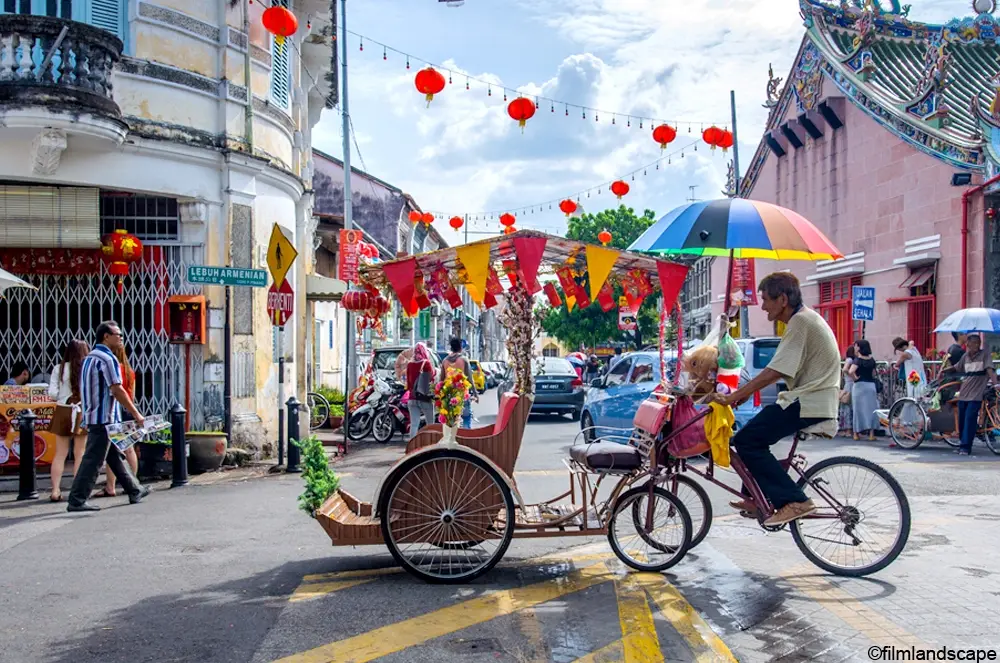
Source: iNPENANG
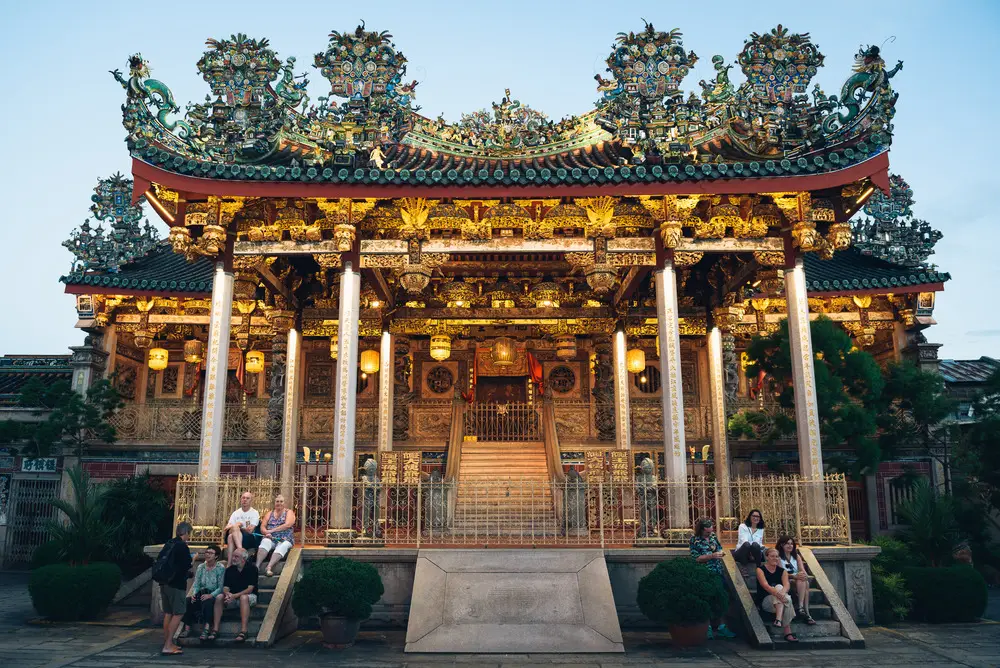
Source: myPenang
Armenian Street (Lebuh Armenian) draws crowds with the Ernest Zacharevic murals, but the more enduring draw is its pre-war shophouse architecture: two-storey masonry buildings with five-foot walkways and Straits Eclectic detail from the 18th and 19th centuries.
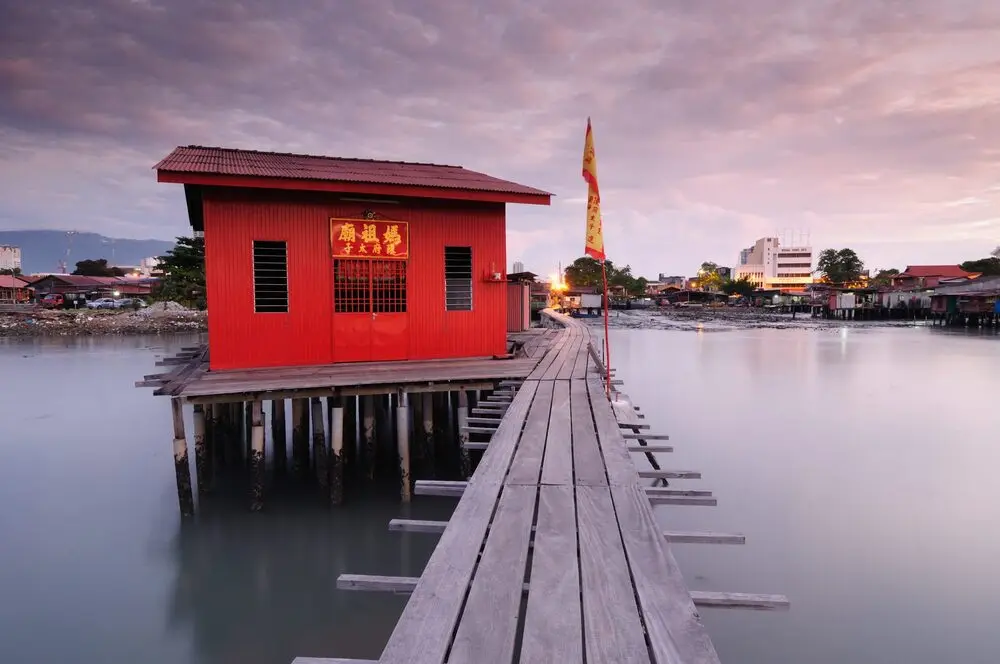
Leong San Tong Khoo Kongsi, on Cannon Square, is the most elaborate clan temple in Malaysia, completed in 1906 with a double-tiered roof of carved dragons, gilded panels, and tilework from China. The Clan Jetties at Weld Quay are stilted communities over the sea; Chew Jetty is the most visited, while Tan Jetty is quietest at dawn.
Seven Terraces is GTHH’s property most embedded in this quarter: a row of restored 19th-century Straits Eclectic terrace houses on Stewart Lane, with the clan jetties around a 10 to 15 minute walk away.
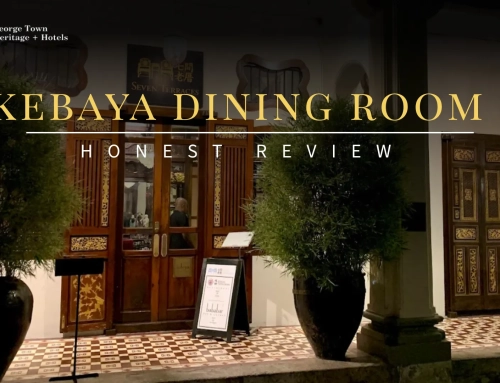
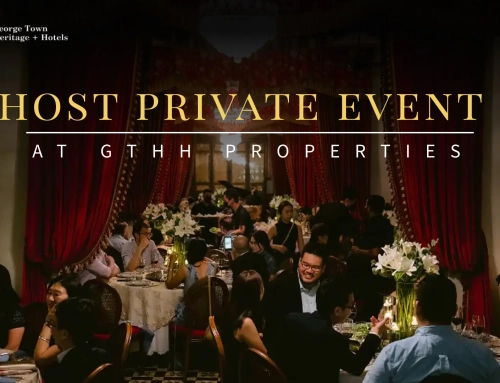
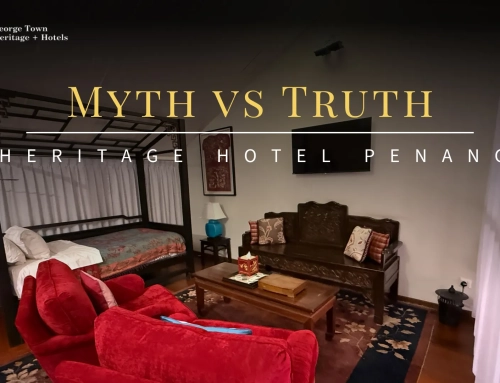
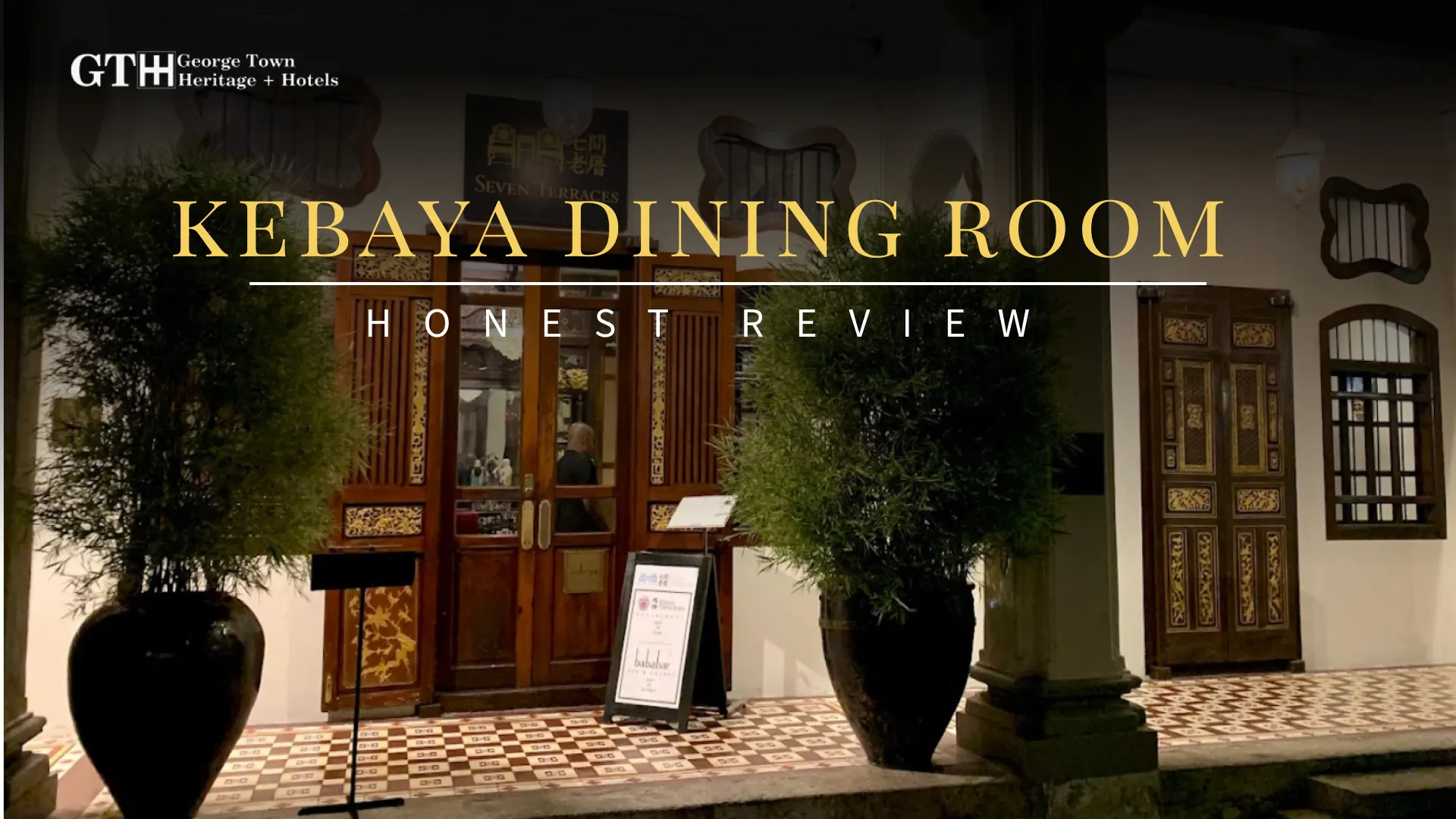
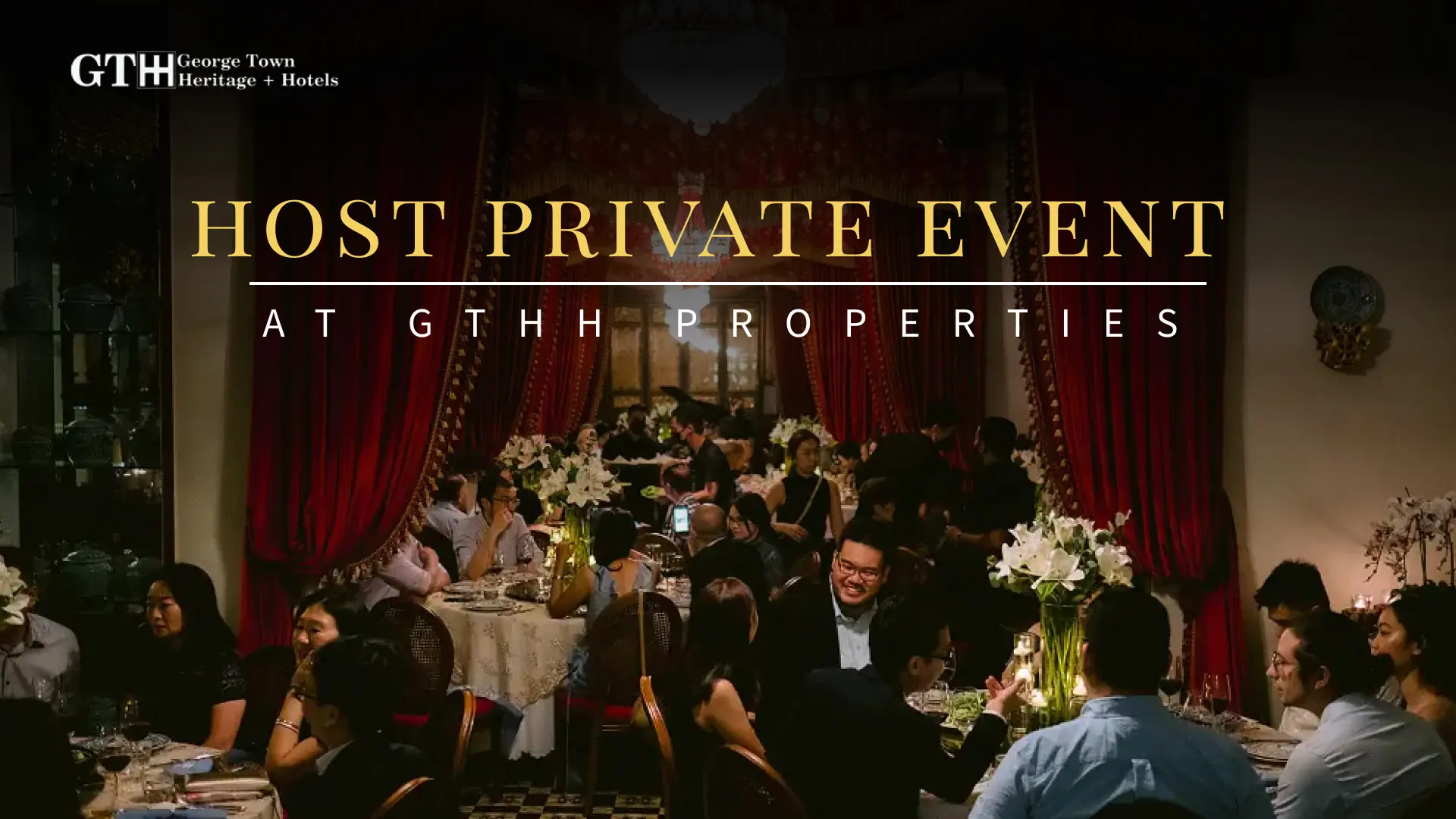
Staying at this 4 star hotel in George Town, Penang gives access to Kebaya Dining Room (MICHELIN recognised), heritage cultural evenings hosted exclusively for guests, and the signature Dinner with Baba Chris.
The Penang Heritage Trust publishes self-guided trail references, and this guide to the best nyonya food in Penang covers the heritage-quarter dining options worth booking.
The Jawi Peranakan Quarter: The Heritage Tradition Most Visitors Never Discover
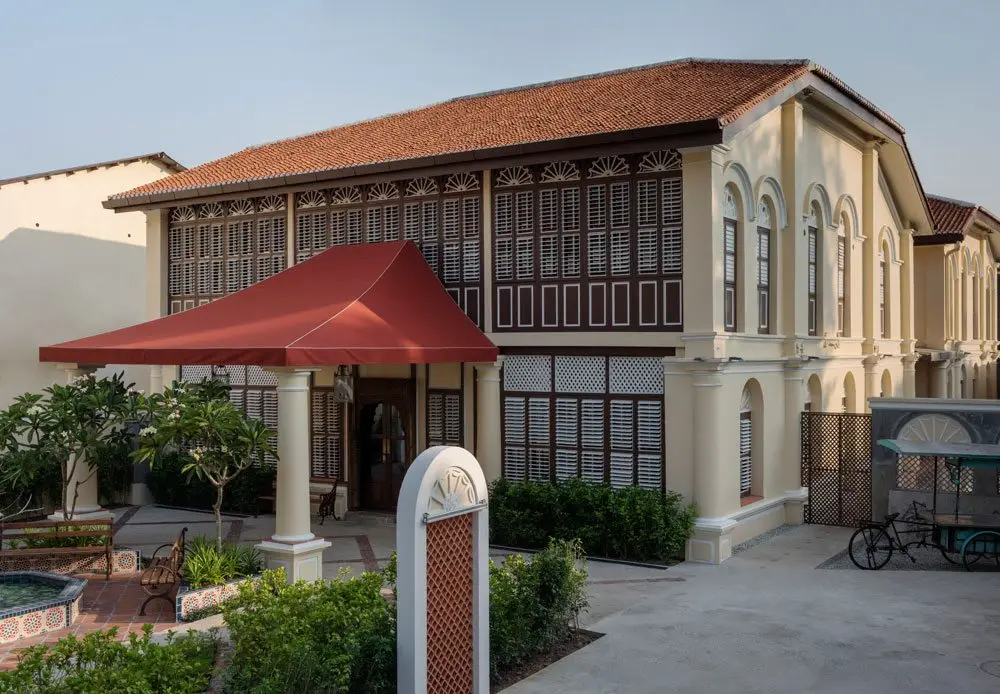
Jawi Peranakan heritage is the most underrepresented of the four traditions and one of the most architecturally remarkable.
The Jawi Peranakan were Muslim traders, mainly from South India, who settled in Penang from the late 18th century, intermarried with the local Malay community, and produced a fusion of British colonial, Mughal Muslim, and South Indian motifs found nowhere else in the heritage core.
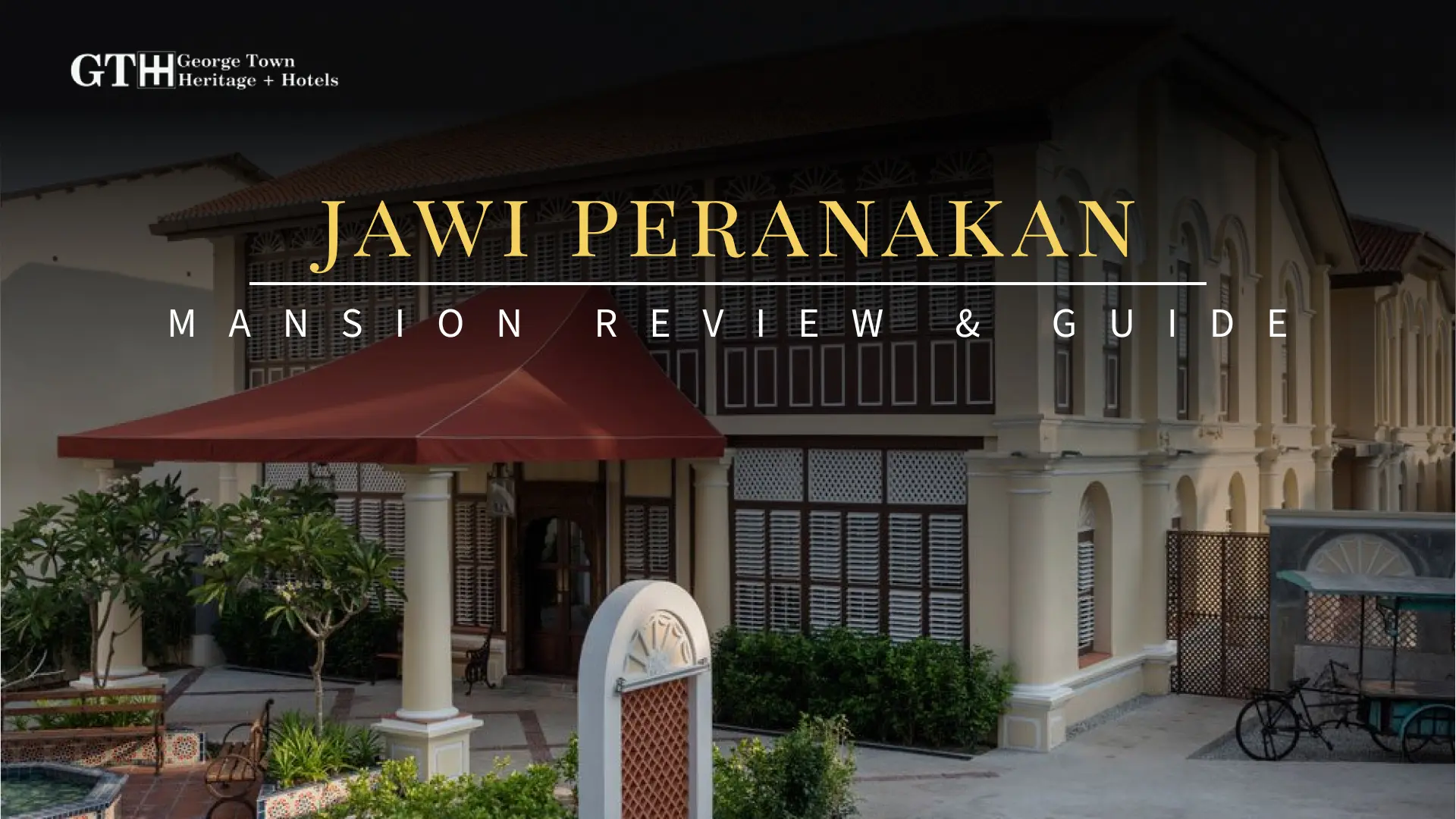
Jawi Peranakan buildings differ visibly from Chinese shophouses: look for Mughal-influenced arched windows, South Indian carved timber, and colonial facade proportions, all expressed most fully in Jawi Peranakan Mansion on Jalan Hutton.
GTHH’s Jawi Peranakan Mansion stands on Jalan Hutton, while Muntri Mews and Muntri Grove sit on and just off Muntri Street, together giving guests the most direct access to this heritage. Complimentary daily high tea is offered to every guest, continuing the refined hospitality that defined the community.
Mamak stalls across the quarter serve Nasi Kandar, Roti Canai, Murtabak, and Masala Chai from dawn to midnight.
Little India, Masjid Kapitan Keling, and the Colonial Quarter
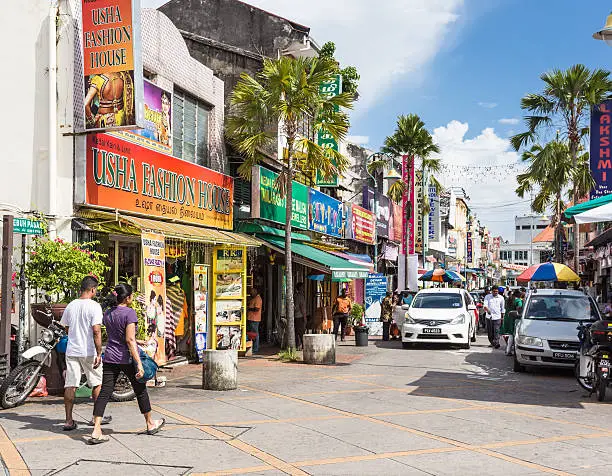
Source: iStock
Little India centres on Masjid Kapitan Keling, built in 1801 by Penang’s early Indian Muslim community and one of Malaysia’s oldest mosques; Sri Mahamariamman Temple and the shophouses of King and Queen Streets complete a living South Indian and Tamil neighbourhood, so carry a scarf as modest dress is required inside.
The colonial quarter lines the northern waterfront around Fort Cornwallis, where Francis Light landed in 1786 and founded the post that became Penang. St George’s Church (built 1818) and the Esplanade complete one of the region’s best-preserved colonial waterfronts; Fort Cornwallis charges entry, while the church and Esplanade are free.
What to Eat in George Town, Penang
Source: MiddleClass
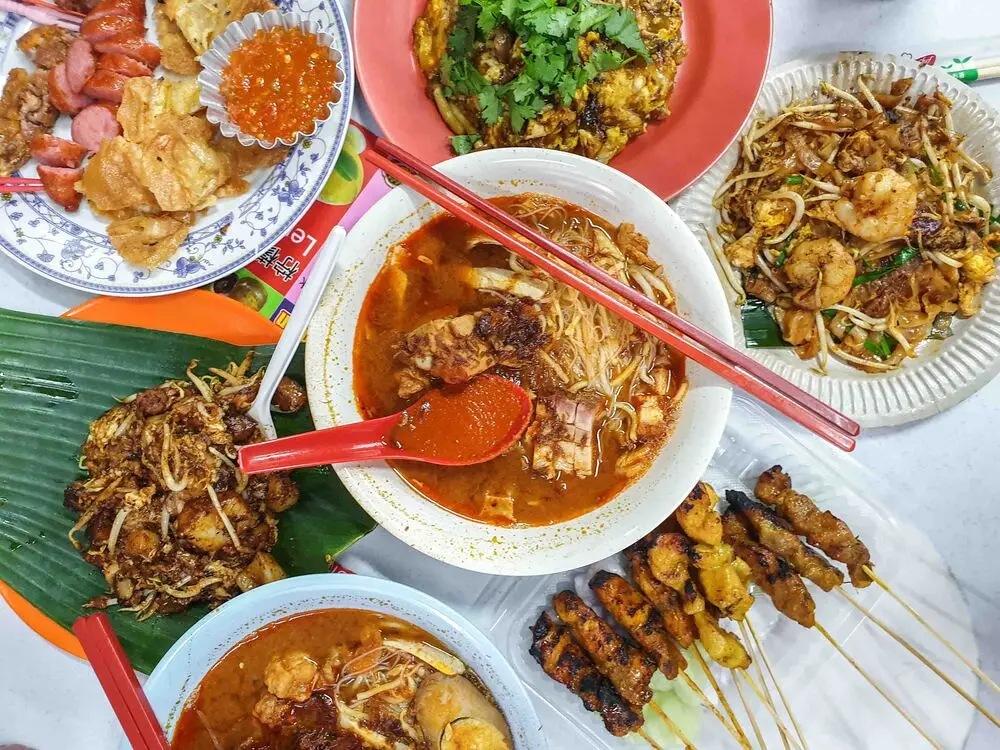
George Town is widely considered Malaysia’s street food capital, and the reason is diversity rooted in four traditions. Char Kway Teow, Hokkien Mee, and Cendol are the usual first-timer favourites; Penang Asam Laksa, tangy and fish-based, regularly ranks among the world’s best foods.
Kebaya Dining Room at Seven Terraces is MICHELIN recognised, the only restaurant of its kind inside a restored heritage building of this scale, where guests can experience the Tok Panjang heritage feast format: a long-table communal dining tradition that no hawker centre can replicate.
A contemporary alternative is this café in George Town, Penang, Mews Café at Muntri Mews: pork-free, MSG-free, vegan-friendly, with pet-friendly outdoor seating and private events up to 70 guests (not Halal-certified).
A Sample 3-Night George Town Itinerary by Heritage Tradition
Source: George Town World Heritage Incorporated
Anchoring each day to a single tradition lets the architecture, food, and pace cohere, and it makes choosing the best hotel in George Town, Penang straightforward since each GTHH property sits at the centre of a tradition.
| Day | Morning | Afternoon | Evening |
| Day 1: Chinese Peranakan | Tan Jetty at dawn (7am); Armenian Street before 9am; street art trail | Khoo Kongsi; Cannon Square and Love Lane | Dinner at Kebaya Dining Room (MICHELIN recognised); Seven Terraces bar |
| Day 2: Jawi Peranakan + Indian | Muntri Street; exterior of Jawi Peranakan Mansion; Campbell Street | Little India: Masjid Kapitan Keling; Sri Mahamariamman Temple; Penang Road | Nasi Kandar at a Mamak restaurant; high tea at JPM (guests only) |
| Day 3: Colonial + Wider Discovery | Fort Cornwallis at opening; St George’s Church; Esplanade | Penang State Museum; Beach Street banking quarter; Chew Jetty if not yet seen | Farewell dinner at Mews Café or a hawker centre |
Times are indicative. Confirm current opening hours with your hotel before setting out.
Where to Stay in George Town, Penang: Why the UNESCO Core Changes Everything
Source: My Travellation
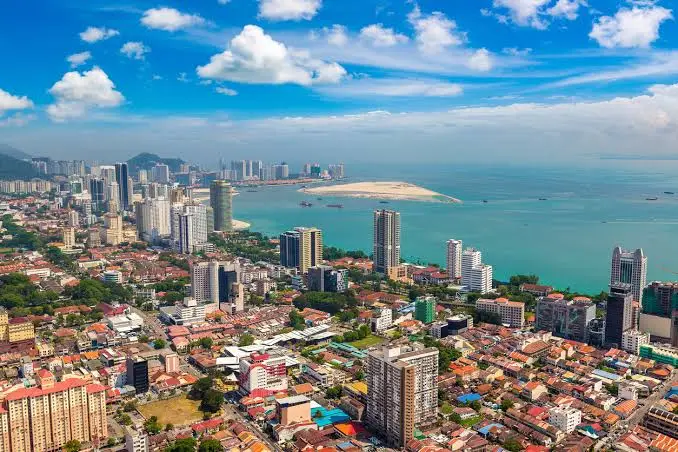
The most impactful decision a first-time visitor makes is not which sites to see, but where to sleep. A hotel inside the UNESCO core places you inside a building that is part of the heritage story, on a street inhabited for 150 years, among the communities that give the city its character.
Staying In vs Visiting
Most heritage sites have set visiting hours; you can tour Khoo Kongsi from 9am to 5pm. A restored heritage hotel you can move through at any hour, at dawn or midnight, and that inhabitation is the depth most travelers return to Penang to find.
Seven Terraces represents the Chinese Peranakan tradition at its finest: restored 19th-century terrace houses in the Straits Eclectic style, with an on-site pool. Guests dine at Kebaya Dining Room (MICHELIN recognized), where the Tok Panjang heritage feast format is available, and can access cultural evenings and Dinner with Baba Chris exclusive to hotel guests.
Best for adults and couples near the Armenian Street trail (no children under 6).
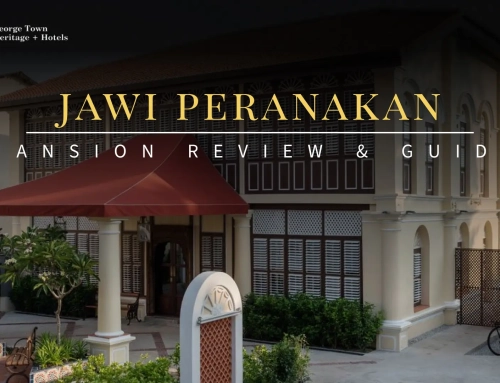
Jawi Peranakan Mansion is the only George Town hotel built around the Jawi Peranakan tradition, its facade blending colonial symmetry with Mughal arches and South Indian details, and featuring a pool on site. Complimentary daily high tea is offered to every guest, and the setting on Jalan Hutton gives the deepest immersion in the city’s least-documented heritage.
Muntri Grove occupies a quiet enclave of restored 19th-century shophouses just off Muntri Street, originally workers’ quarters, now reimagined as a contemporary boutique hotel with an on-site pool. Best for guests who want the walkable core with a relaxed, garden-like atmosphere.
Muntri Mews occupies a row of restored late 19th-century mews buildings on Muntri Street, originally horse-carriage quarters, now transformed into stylish boutique accommodation with no pool. Home to Mews Café, it suits independent travelers who value location and character over resort-style amenities.
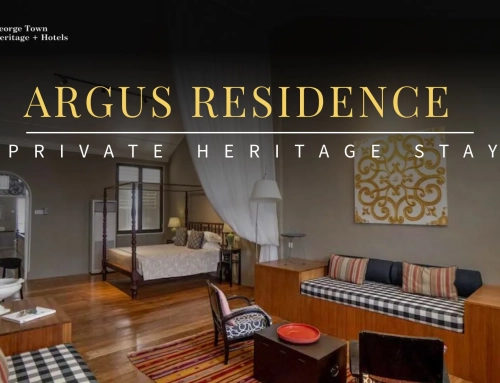
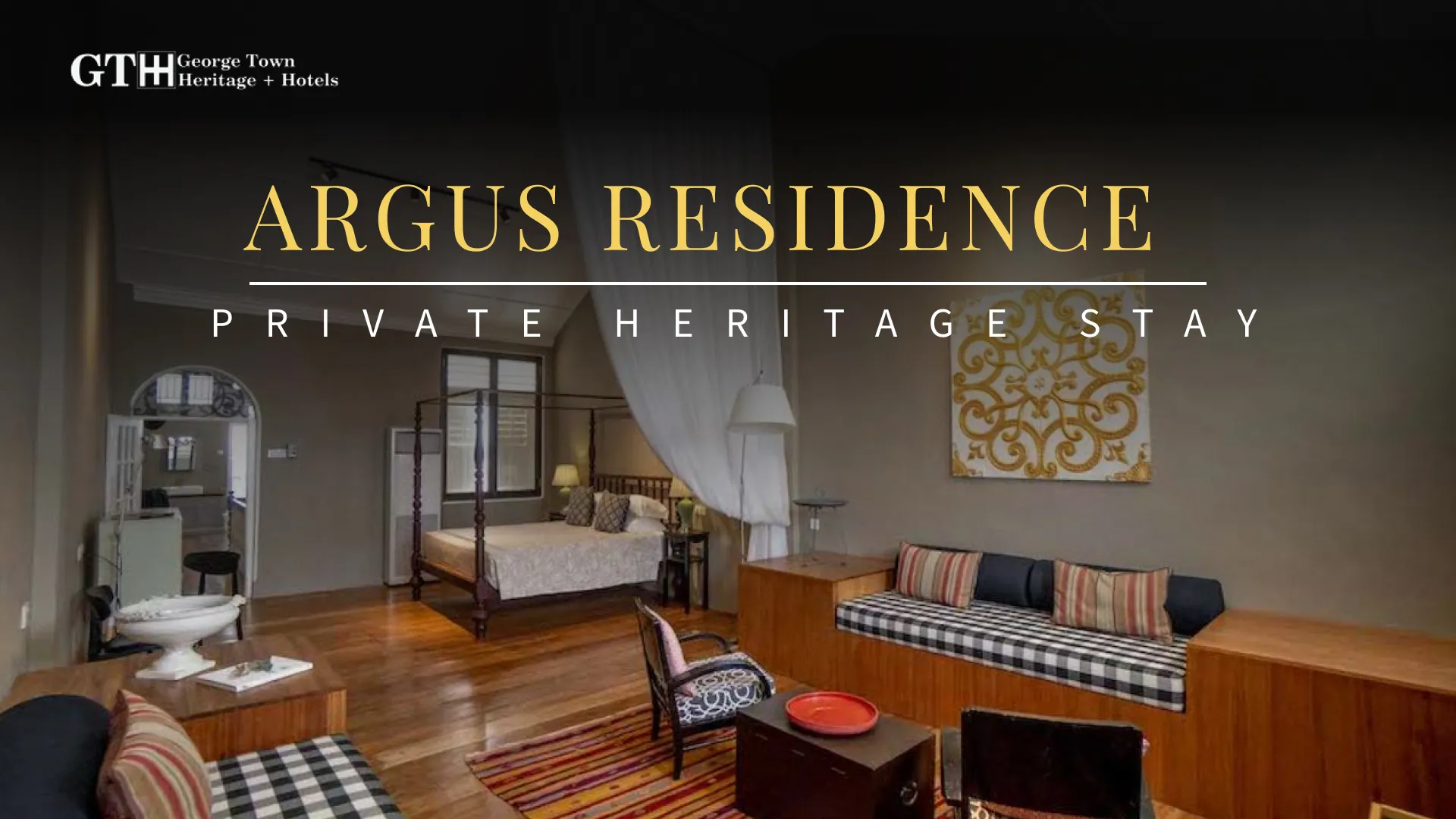
Argus Residence comprises five restored 1928 Arts and Craft movement houses on Argus Lane, behind the Assumption Church, with no pool. Best for independent and long-stay guests wanting a self-contained, residential base with the character of a private George Town house.
| Property | Heritage Tradition | Architectural Style | Pool | Key Highlight | Best For |
| Seven Terraces | Chinese Peranakan | Straits Eclectic (19th c.) | Yes | Kebaya Dining Room (MICHELIN recognised); closest to Armenian Street | Adults and couples; heritage dining |
| Jawi Peranakan Mansion | Jawi Peranakan | British colonial + Mughal + South Indian | Yes | Complimentary high tea; unique architecture | Cultural immersion; Jalan Hutton |
| Muntri Grove | 19th-century workers’ quarter | 19th c. shophouses, contemporary adaptation | Yes | Relaxed garden character; central location | Heritage-quarter access; pool guests |
| Muntri Mews | Late 19th-century mews | Late 19th c. horse-carriage mews | No | Mews Café; intimate scale | Independent travellers; location-first |
| Argus Residence | Arts & Craft heritage house | Arts & Craft movement (1928) | No | Five private houses; Argus Lane | Long-stay; independent travellers |
Other respected stays include The Blue Mansion and the Eastern and Oriental Hotel; what sets GTHH apart is five distinct properties spanning multiple traditions, covered by The New York Times and The Telegraph, and a portfolio that ranks among the best family hotels in George Town, Penang.
Practical Tips for Your First Visit to George Town
Source: AwayGoWe
Getting There
- From Kuala Lumpur: ETS train to Butterworth (around 3.5 hours), then the ferry (15–20 minutes) or a Grab (around 30 minutes).
- From Penang International Airport: Grab or airport taxi to the heritage core, roughly 20–30 minutes.
- From Singapore: direct flights to Penang (around 1 hour), or overland via Kuala Lumpur.
Best Time to Visit
- Driest months: December to February.
- For atmosphere: time your visit with George Town Festival (July) or festivals such as Thaipusam and Chinese New Year.
- Planning: the official Visit Penang board lists current event dates.
Frequently Asked Questions About George Town, Penang
How many days do you need in George Town, Penang?
Three to four nights is the recommended minimum; two nights cover the headline attractions while three to four let each cultural neighborhood settle at its own pace.
Is George Town, Penang worth visiting?
Absolutely: a compact UNESCO quarter where four distinct heritage traditions share the same walkable streets, it is consistently named the highlight of Malaysia by travelers who give it enough time.
What is Peranakan culture in Penang?
Peranakan culture refers to early Chinese and Indian settlers who integrated with the local Malay community, producing distinct hybrid traditions in architecture, food, and language.
Chinese Peranakan (Nyonya) and Jawi Peranakan are both present in George Town, with Jawi Peranakan Mansion on Jalan Hutton being the fullest architectural expression of the latter.
What is the best area to stay in George Town, Penang?
Staying inside the UNESCO heritage core is strongly recommended for any heritage-focused visit. GTHH’s five properties place guests inside restored buildings that are part of the heritage story, turning visiting heritage into inhabiting it.